CURI Stock CuriosityStream (CURI, $2.94) entered Downtrend as Momentum indicator drops below 0 level on Oct 08, 2026


at Tickeron.com


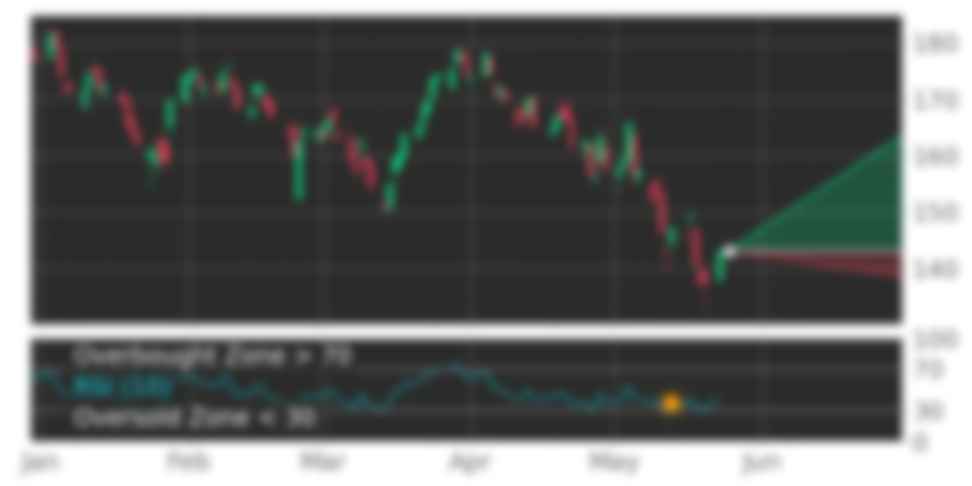
This indicator may be signaling that CURI's price has further to drop, since it fell below its price logged 14 days ago. Traders may consider selling the stock, shorting the stock, or exploring put options. A.I.dvisor backtested 85 similar cases where CURI's Momentum Indicator fell below the 0 level, and of them led to a successful outcome. Odds of Success:
CURI in -5.08% downward trend, sliding for three consecutive days on October 09, 2026
Moving lower for three straight days is viewed as a bearish sign. Keep an eye on this stock for future declines. Considering data from situations where CURI declined for three days, in 260 of 293 cases, the price declined further within the following month. The odds of a continued downward trend are 89%.

Technical Analysis (Indicators)
Bearish Trend Analysis
The 10-day RSI Indicator for CURI moved out of overbought territory on September 25, 2026. This could be a bearish sign for the stock. Traders may want to consider selling the stock or buying put options. Tickeron's A.I.dvisor looked at 18 similar instances where the indicator moved out of overbought territory. In 15 of the 18 cases, the stock moved lower in the following days. This puts the odds of a move lower at 83%.
The Momentum Indicator moved below the 0 level on October 08, 2026. You may want to consider selling the stock, shorting the stock, or exploring put options on CURI as a result. In 72 of 84 cases where the Momentum Indicator fell below 0, the stock fell further within the subsequent month. The odds of a continued downward trend are 86%.
The Moving Average Convergence Divergence Histogram (MACD) for CURI turned negative on October 05, 2026. This could be a sign that the stock is set to turn lower in the coming weeks. Traders may want to sell the stock or buy put options. Tickeron's A.I.dvisor looked at 46 similar instances when the indicator turned negative. In 31 of the 46 cases the stock turned lower in the days that followed. This puts the odds of success at 67%.
CURI moved below its 50-day moving average on October 12, 2026 date and that indicates a change from an upward trend to a downward trend.
CURI broke above its upper Bollinger Band on September 24, 2026. This could be a sign that the stock is set to drop as the stock moves back below the upper band and toward the middle band. You may want to consider selling the stock or exploring put options.
Bullish Trend Analysis
The Stochastic Oscillator demonstrated that the ticker has stayed in the oversold zone for 2 days, which means it's wise to expect a price bounce in the near future.
Following a +1.03% 3-day Advance, the price is estimated to grow further. Considering data from situations where CURI advanced for three days, in 173 of 216 cases, the price rose further within the following month. The odds of a continued upward trend are 80%.
The Aroon Indicator entered an Uptrend today. In 116 of 141 cases where CURI Aroon's Indicator entered an Uptrend, the price rose further within the following month. The odds of a continued Uptrend are 82%.
Fundamental Analysis (Ratings)
The Tickeron PE Growth Rating for this company is 9 (best 1 - 100 worst), pointing to outstanding earnings growth. The PE Growth rating is based on a comparative analysis of stock PE ratio increase over the last 12 months compared against S&P 500 index constituents.
The Tickeron Valuation Rating of 45 (best 1 - 100 worst) indicates that the company is fair valued in the industry. This rating compares market capitalization estimated by our proprietary formula with the current market capitalization. This rating is based on the following metrics, as compared to industry averages: P/B Ratio (4.151) is normal, around the industry mean (3.888). CURI's P/E Ratio (1606.560) is considerably higher than the industry average of (153.580). Projected Growth (PEG Ratio) (0.000) is also within normal values, averaging (1.298). CURI has a moderately high Dividend Yield (0.114) as compared to the industry average of (0.036). P/S Ratio (2.156) is also within normal values, averaging (8.232).
The Tickeron Price Growth Rating for this company is 56 (best 1 - 100 worst), indicating steady price growth. CURI’s price grows at a higher rate over the last 12 months as compared to S&P 500 index constituents.
The Tickeron SMR rating for this company is 90 (best 1 - 100 worst), indicating weak sales and an unprofitable business model. SMR (Sales, Margin, Return on Equity) rating is based on comparative analysis of weighted Sales, Income Margin and Return on Equity values compared against S&P 500 index constituents. The weighted SMR value is a proprietary formula developed by Tickeron and represents an overall profitability measure for a stock.
The Tickeron Profit vs. Risk Rating rating for this company is 100 (best 1 - 100 worst), indicating that the returns do not compensate for the risks. CURI’s unstable profits reported over time resulted in significant Drawdowns within these last five years. A stable profit reduces stock drawdown and volatility. The average Profit vs. Risk Rating rating for the industry is 98, placing this stock worse than average.