Key Takeaways
- IBB, the iShares Biotechnology ETF (exchange-traded fund), tracks the NASDAQ Biotechnology Index and holds roughly 250 U.S.-listed biotechnology and life-sciences companies.
- The fund is a market-cap-weighted, passively managed vehicle with an expense ratio of 0.44% and an AUM (assets under management) in the range of $10–11 billion.
- Its portfolio is concentrated in large-cap biotech leaders such as GILD, AMGN, and VRTX, which account for a substantial share of total assets.
- Over the trailing 30 days the ETF was little changed, drifting roughly 1% lower, while its three-month trend was notably stronger at approximately +10%.
- The fund's performance reflects a health-care sector environment shaped by interest-rate expectations, clinical data catalysts, and rotation toward large-cap, cash-generative names.
- Principal opportunities include a steady pipeline of drug approvals and M&A (mergers and acquisitions) activity, while key risks center on regulatory pressure and elevated valuation sensitivity.
- For additional context on this ticker, explore Price Targets and Forecast on dedicated pages.
- Investors can also discover real-time trading ideas by exploring Trending AI Robots.
iShares Biotechnology ETF (IBB) Overview
IBB is a passively managed exchange-traded fund that seeks to replicate the performance of the NASDAQ Biotechnology Index, a modified market-capitalization-weighted benchmark of U.S.-listed biotechnology and pharmaceutical companies. The fund invests at least 80% of its assets in the component securities of its underlying index, with the remainder available for futures, options, swaps, and cash equivalents.
The portfolio holds approximately 248–251 securities and carries a net expense ratio of 0.44%. It is anchored by large-cap biotech franchises, with top positions including Gilead Sciences (GILD), Amgen (AMGN), Vertex Pharmaceuticals (VRTX), Regeneron Pharmaceuticals (REGN), and Moderna (MRNA). Other meaningful holdings include Natera (NTRA), Illumina (ILMN), Revolution Medicines (RVMD), Biogen (BIIB), and Alnylam Pharmaceuticals (ALNY).
Because the fund is market-cap weighted, its behavior is heavily influenced by its largest, most liquid constituents rather than by smaller clinical-stage names. This concentration in mature, cash-generative franchises tends to moderate volatility relative to the broader, more speculative biotech universe, a structural feature that helps explain the fund's comparatively steady recent trading.
Industry and Thematic Landscape
Biotechnology operates within the broader health-care sector, which is often characterized as a defensive growth area: demand for medicines is relatively inelastic, yet individual companies remain exposed to binary clinical and regulatory outcomes. In the current macroeconomic environment, the sector's outlook is shaped by monetary policy expectations, because biotechnology valuations are sensitive to changes in long-term interest rates used to discount future cash flows.
Structural drivers continue to support the industry. An aging global population, advances in genetic medicine, and expanding pipelines in oncology, immunology, and rare disease create durable long-term demand. At the same time, the competitive landscape is intensifying as large pharmaceutical companies pursue acquisitions of innovative biotech assets, and as pricing and reimbursement scrutiny persists across major markets. These dynamics favor larger, diversified biotech firms with approved products and recurring revenue over pre-revenue developers, reinforcing the relative stability of IBB's large-cap tilt.
Performance and Positioning Snapshot
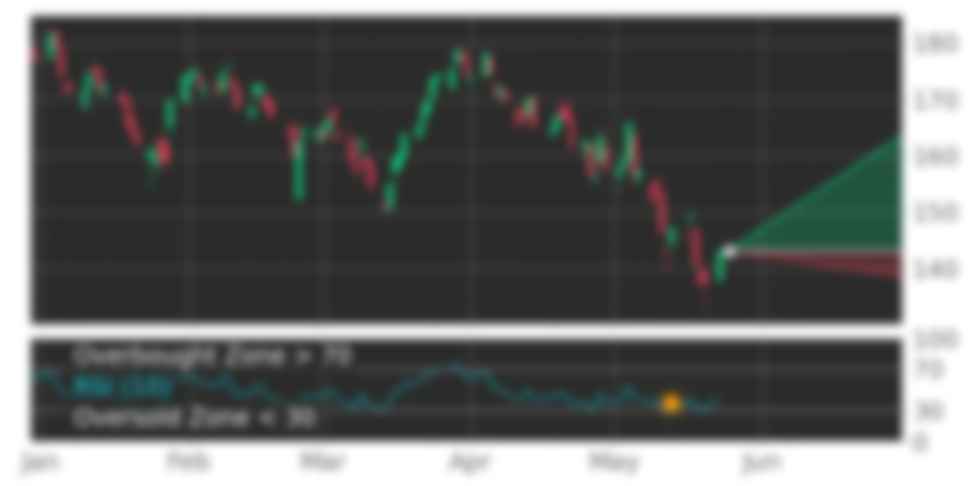
IBB has been comparatively range-bound over recent weeks. From the closing price roughly 30 days earlier to the most recent completed session, the fund edged lower by approximately 1%, a modest move that reflects subdued trading conditions in the health-care complex rather than any single catalyst. By contrast, the trailing three-month period was stronger, with the fund advancing roughly 10% from its levels roughly a quarter earlier.
This divergence between a muted near-term tape and a firmer quarterly trend points to gradual, trend-driven appreciation rather than sharp directional swings. The quarterly advance was supported by broad strength among large-cap holdings and a market environment in which investors favored profitable, established biotech franchises. Earnings seasons, clinical data readouts, and shifting interest-rate expectations all contributed to periodic volatility, but the fund's heavyweight positions provided ballast that kept overall movement measured.
AI Screener
Tickeron's AI Screener is an AI-powered stock and ETF discovery platform that helps investors search thousands of securities using technical indicators, fundamentals, volatility measures, AI-generated signals, market trends, price patterns, and customizable filters. It is designed to surface trending securities, breakout candidates, and new trading opportunities more efficiently than manual screening, allowing users to focus their research on ideas that match specific criteria. For investors tracking thematic vehicles such as IBB, the screener offers a practical way to compare holdings, monitor momentum, and identify emerging patterns across the biotechnology universe. Consider exploring the AI Screener to complement your own research process.
2026 Outlook and Key Factors to Monitor
Several structural factors are likely to influence IBB through 2026. Interest-rate expectations remain central, as the valuation of long-duration biotech assets is closely tied to the path of monetary policy and bond yields. Inflation trends and the broader macroeconomic environment will also shape risk appetite toward the sector, while the earnings cycles of major holdings such as Gilead, Amgen, and Vertex will remain key drivers of index-level performance.
Investors should also monitor industry developments including the pace of drug approvals, pipeline progress in high-growth areas such as oncology and gene editing, and the level of M&A activity, which has historically acted as a catalyst for the space. Regulatory and pricing policy in major markets, along with capital flows into health-care funds, represent additional variables. On the risk side, concentrated positions in a handful of mega-cap names and sensitivity to headline-driven volatility in clinical-stage constituents remain important considerations. None of these factors should be read as a forecast, but together they frame the themes most likely to shape the fund over the coming months.
The information on this webpage is provided for general informational and educational purposes only and is not intended as investment advice, a recommendation to purchase or sell any security, or an offer or solicitation related to investments. It does not consider your personal financial situation, goals, or risk profile, and all investing carries inherent risks, including the possibility of losing your entire investment. For more details, please review our full disclaimer.
Disclaimers and Limitations
 GET DAILY SIGNALS