Key Takeaways
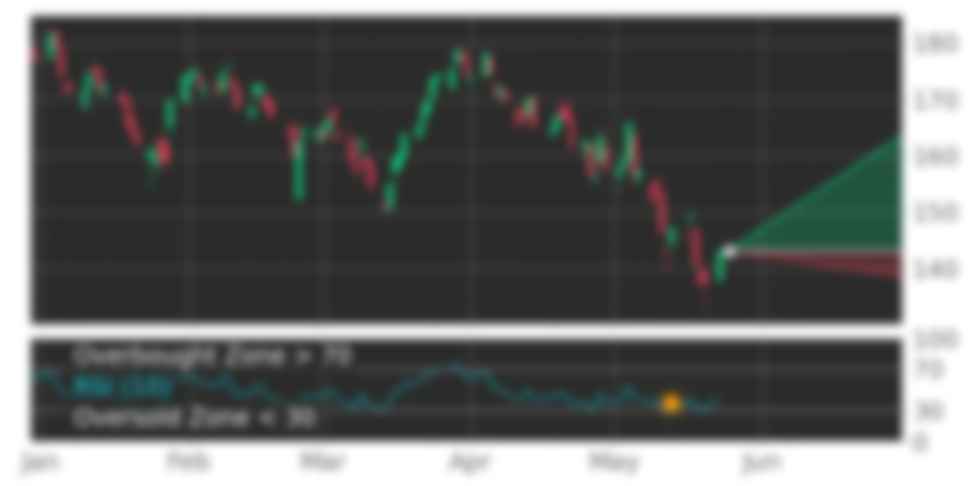
- PALL declined roughly 17% over the past 30 days, extending a broader multi-month sell-off in physical palladium.
- The fund is down about 31% over the past quarter as spot palladium retreated toward multi-month lows.
- PALL is a physically backed grantor trust tracking the LBMA Palladium PM Price, holding nearly all of its assets in palladium bullion.
- The decline reflects softer automotive-catalyst demand, rising recycling supply, and expectations of a shifting market balance.
- Elevated interest rates and a firm U.S. dollar weighed on palladium, a non-yielding metal, while electric-vehicle (EV) adoption pressured long-term demand.
- Persistent investment outflows and shareholder redemptions compounded the downside price move.
- For additional context on price levels and the near-term outlook, explore PALL's Price Targets and Forecast pages.
- Discover AI-driven trading strategies currently in focus by exploring Trending AI Robots.
abrdn Physical Palladium Shares ETF (PALL) Overview and Portfolio Exposure
The abrdn Physical Palladium Shares ETF seeks to reflect the performance of the price of physical palladium, less the trust's expenses. It is a passively managed grantor trust that holds allocated physical palladium bars in vaults rather than futures contracts, giving investors direct, single-commodity exposure to the spot price of palladium as benchmarked by the LBMA Palladium PM Price.
The portfolio is exceptionally concentrated: it holds just two assets, with physical palladium bullion representing roughly 99.9% of the fund and a small physical gold bullion position accounting for the remainder. There is no equity or fixed-income allocation. The fund carries a net expense ratio of 0.60% and does not use derivatives or leverage. This structure means PALL moves almost one-for-one with palladium spot prices, offering no diversification buffer when the metal falls. It is the largest pure-play palladium ETF by assets under management (AUM), which stood near $650 million in late September 2026.
PALL Price Performance: Last 30 Days vs. Quarter
Over the past 30 days, PALL declined from roughly $19.94 to about $16.60, a drop of approximately 17%. The move was largely trend-driven rather than a sharp single-session shock, with the fund grinding lower through a series of down days punctuated by brief, modest rebounds.
The quarterly trend has been more severe. Measured from around $24.23 three months earlier, PALL has fallen roughly 31%. This confirms a sustained, multi-month downtrend in palladium rather than an isolated correction, with elevated realized volatility characteristic of a thinly traded single-commodity fund.
What Drove PALL Price in the Last 30 Days
The decline tracked a slide in spot palladium, which fell below $1,100 per ounce in late October to a 16-month low and subsequently traded near $1,000 and lower. Several factors converged on the metal:
- Autocatalyst demand: Palladium's dominant use is in gasoline-vehicle catalytic converters, which account for roughly 80% of demand. Rising EV adoption and weak vehicle sales have eroded this core demand base, while automakers have partially substituted lower-cost platinum.
- Rising recycling supply: Growing flows of recovered metal from spent autocatalysts have added secondary supply, offsetting declines in primary mine output.
- Macro pressure: Elevated interest rates and a firm dollar raised the opportunity cost of holding a non-yielding metal, while energy-driven inflation concerns kept central banks cautious.
- Sentiment and flows: Analysts have flagged a prospective supply surplus, and investment outflows alongside shareholder redemptions reinforced the bearish tone. Notably, China's record palladium imports were tied to a new trading exchange rather than stronger underlying industrial demand.
What Drove PALL Performance Over the Last Quarter
The three-month decline reflects a structural shift in the palladium market more than a single catalyst. Primary supply continues to contract, driven by lower ore grades in Russia and capital discipline in South Africa — the two countries that together supply the large majority of mined palladium. However, this has been more than matched on the demand side by a slower rollout of internal-combustion demand, ongoing platinum substitution, and a steady increase in recycled metal.
Market analysts moved to a more bearish stance, forecasting a transition toward surplus over the next couple of years. While the physical market was still in deficit in 2025, the trajectory of softening automotive demand and expanding secondary supply has pressured prices throughout the quarter. Persistent fund redemptions during the year have added mechanical selling pressure, amplifying the downside in a fund whose price is directly tied to the metal.
AI Screener
Tickeron's AI Screener is an AI-powered stock and ETF discovery platform that helps investors scan thousands of securities using technical indicators, fundamentals, volatility metrics, price patterns, industry filters, AI-generated signals, and performance characteristics. Instead of reviewing charts one at a time, users can screen across the market with customizable criteria to surface trending securities, breakout candidates, and newly emerging opportunities. The tool is designed to make the research process more efficient for both retail and professional investors. Investors looking to complement their ETF analysis with broader signal-driven screening may find the AI Screener a practical addition to their workflow.
PALL ETF Outlook: What Investors Should Watch Next
Several themes will shape PALL over the coming months. On the supply side, investors should monitor Russian and South African mine output, where ore grades, power-grid reliability, and geopolitical developments remain key swing factors. Recycling flows will also signal how quickly the market moves toward balance or surplus.
On the demand side, the pace of EV adoption versus resilient hybrid-vehicle sales will matter, as hybrids still require catalytic converters. Platinum substitution economics, now that palladium trades at a discount to platinum, could support some demand stabilization. Macroeconomic conditions — particularly interest-rate expectations, the U.S. dollar, and global vehicle production — will also influence investment demand for the non-yielding metal. PALL offers concentrated, undiversified exposure to these dynamics, so its price will remain highly sensitive to shifts in the palladium market's supply-demand balance.
The information on this webpage is provided for general informational and educational purposes only and is not intended as investment advice, a recommendation to purchase or sell any security, or an offer or solicitation related to investments. It does not consider your personal financial situation, goals, or risk profile, and all investing carries inherent risks, including the possibility of losing your entire investment. For more details, please review our full disclaimer.
Disclaimers and Limitations
 GET DAILY SIGNALS