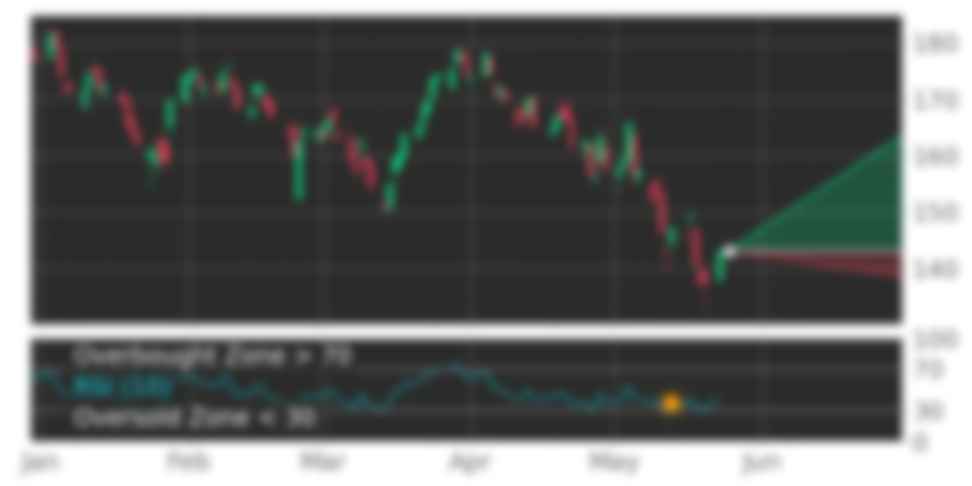
The ProShares UltraShort Bloomberg Crude Oil ETF (SCO) seeks daily investment results, before fees and expenses, that correspond to two times the inverse (-2x) of the daily performance of the Bloomberg Commodity Balanced WTI Crude Oil Index. This index is based on futures contracts for West Texas Intermediate (WTI) sweet, light crude oil. The ETF employs financial instruments such as swaps, futures, and options to achieve its leveraged inverse exposure rather than holding physical oil.
Structurally, the fund provides a single-ticker vehicle for investors seeking to profit from or hedge against daily declines in crude oil futures prices. Its portfolio is concentrated in derivatives tied to the energy commodity sector, with no direct equity holdings or geographic diversification beyond the global nature of oil markets. This positioning means future performance potential is tightly linked to movements in the underlying WTI crude oil futures curve, making the ETF sensitive to short-term supply disruptions, demand shifts, and contango or backwardation conditions in the futures market.
Upcoming OPEC+ production quota adjustments could significantly influence the benchmark index, as changes in supply targets often lead to immediate repricing of crude oil futures and amplified effects on the -2x daily target. Inflation trends and related central bank policies, particularly Federal Reserve rate decisions, matter because higher rates can strengthen the U.S. dollar and weigh on commodity demand.
Global economic growth data releases, including manufacturing and industrial production figures, serve as key indicators of energy consumption prospects. Geopolitical events in oil-producing regions remain unpredictable catalysts that may drive short-term volatility in futures prices. Additionally, seasonal demand patterns and inventory reports from the U.S. Energy Information Administration provide regular data points that traders monitor for signals on near-term price direction. From what I see, these factors often interact in ways that reward close monitoring of the futures curve.
The broader macroeconomic environment for crude oil futures centers on the interplay between global supply balances and demand recovery. Persistent concerns over economic slowdowns in major consuming nations could pressure oil prices lower, benefiting the inverse structure of the ETF. Interest rate cycles influence borrowing costs for energy projects and consumer spending on fuel, while inflation readings affect real returns on commodity investments.
Equity market trends and risk sentiment also play a role, as risk-off environments can reduce speculative positions in energy futures. Currency movements, particularly U.S. dollar fluctuations, impact the affordability of dollar-denominated oil for international buyers. Overall, the outlook for the underlying index remains tied to evolving global energy transition themes, though near-term price action will likely continue to reflect traditional supply-and-demand fundamentals. I also checked this using Tickeron’s AI Screener to see how the ETF compares to others in the industry.
Long-term drivers for the crude oil futures market include ongoing shifts in global energy consumption patterns driven by technological advancements in renewables and efficiency improvements. Demographic trends in emerging economies may support gradual demand growth, while economic cycles influence capital investment in oil exploration and production. Market structure changes, such as evolving futures roll dynamics and regulatory developments in commodity trading, could affect index behavior over extended periods.
Interest rate cycles and global investment trends toward sustainable assets may continue to shape capital allocation away from traditional fossil fuels. The underlying index’s outlook will depend on how these structural forces interact with persistent geopolitical supply risks and technological innovations in extraction methods. Investors should consider these multi-year themes when assessing the role of inverse exposure in a diversified portfolio.
The Trend Prediction Engine is an AI-powered forecasting tool that helps traders identify whether a stock, ETF, or other asset may move bullish, bearish, or sideways over the next week or month. It is designed to help users spot developing trends, evaluate possible breakouts or reversals, and explore predictions across a wide range of tradable instruments. The product includes searchable prediction categories, historical context, and alert-oriented functionality. Explore the Trend Prediction Engine for additional insights on market movements.
The information on this webpage is provided for general informational and educational purposes only and is not intended as investment advice, a recommendation to purchase or sell any security, or an offer or solicitation related to investments. It does not consider your personal financial situation, goals, or risk profile, and all investing carries inherent risks, including the possibility of losing your entire investment. For more details, please review our full disclaimer.
The Moving Average Convergence Divergence (MACD) for SCO turned positive on May 06, 2026. Looking at past instances where SCO's MACD turned positive, the stock continued to rise in of 54 cases over the following month. The odds of a continued upward trend are .
SCO moved above its 50-day moving average on May 28, 2026 date and that indicates a change from a downward trend to an upward trend.
The 10-day moving average for SCO crossed bullishly above the 50-day moving average on May 28, 2026. This indicates that the trend has shifted higher and could be considered a buy signal. In of 18 past instances when the 10-day crossed above the 50-day, the stock continued to move higher over the following month. The odds of a continued upward trend are .
Following a 3-day Advance, the price is estimated to grow further. Considering data from situations where SCO advanced for three days, in of 250 cases, the price rose further within the following month. The odds of a continued upward trend are .
The RSI Indicator demonstrates that the ticker has stayed in the overbought zone for 10 days. The longer the ticker stays in the overbought zone, the sooner a price pull-back is expected.
The Stochastic Oscillator may be shifting from an upward trend to a downward trend. In of 57 cases where SCO's Stochastic Oscillator exited the overbought zone, the price fell further within the following month. The odds of a continued downward trend are .
The Momentum Indicator moved below the 0 level on June 11, 2026. You may want to consider selling the stock, shorting the stock, or exploring put options on SCO as a result. In of 96 cases where the Momentum Indicator fell below 0, the stock fell further within the subsequent month. The odds of a continued downward trend are .
Following a 3-day decline, the stock is projected to fall further. Considering past instances where SCO declined for three days, the price rose further in of 62 cases within the following month. The odds of a continued downward trend are .
SCO broke above its upper Bollinger Band on May 28, 2026. This could be a sign that the stock is set to drop as the stock moves back below the upper band and toward the middle band. You may want to consider selling the stock or exploring put options.
The Aroon Indicator for SCO entered a downward trend on May 27, 2026. This could indicate a strong downward move is ahead for the stock. Traders may want to consider selling the stock or buying put options.
Category Trading