
July 8, 2025: The Top 10 AI-Powered Day Traders: Unlocking Next-Gen Financial Learning Models with Win Rates of +85%
As of July 8, 2025, the trading world has experienced a seismic shift. With the launch of new 15-minute and 5-minute Financial Learning Models (FLMs), AI trading agents now outperform human strategies in both accuracy and speed. These upgraded FLMs—combined with Machine Learning Models (MLMs)—have drastically improved market responsiveness, giving rise to highly efficient, adaptive day trading agents with win rates exceeding 85%. Below is a ranked list of the top 10 AI-driven day traders based on annualized returns and strategic innovation.
1. High-Frequency Multi-Ticker AI Agent (15-Minute)
Tickers: AAPL, GOOG, NVDA, TSLA, MSFT, SOXL, SOXS, QID, QLD
Annualized Return: +273%
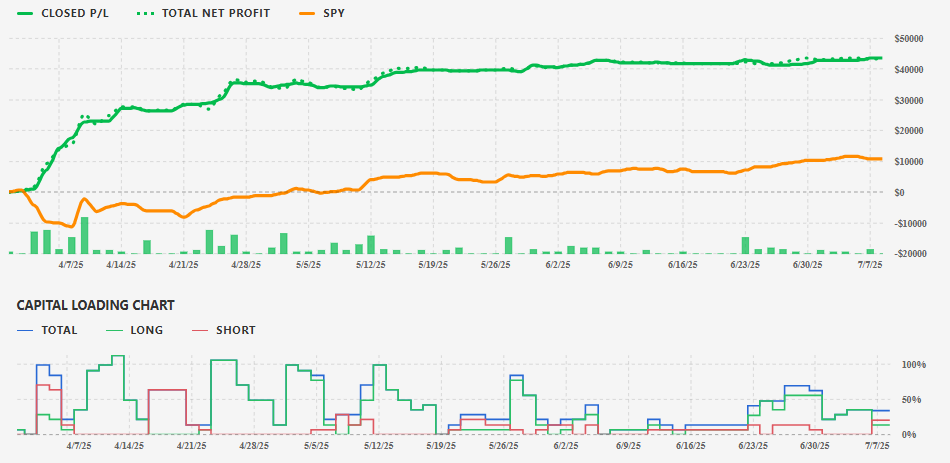
This agent represents the new apex of intraday trading technology. Deployed on a 15-minute time frame and powered by real-time pattern recognition and volatility filtering, this AI model diversifies across nine high-liquidity tickers. Utilizing a double-agent system, it capitalizes on both bullish and bearish market moves using inverse ETFs (like QID and SOXS). Automated risk management allows up to 10 open positions simultaneously, balancing returns and volatility with surgical precision.
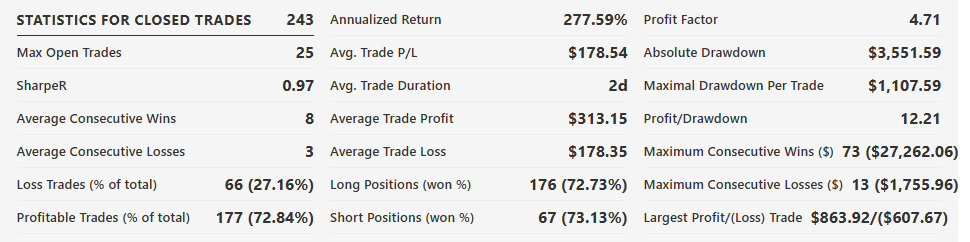
2. Tech-Focused Quintet Agent (15-Minute)
Tickers: AAPL, GOOG, NVDA, META, MSFT
Annualized Return: +151%
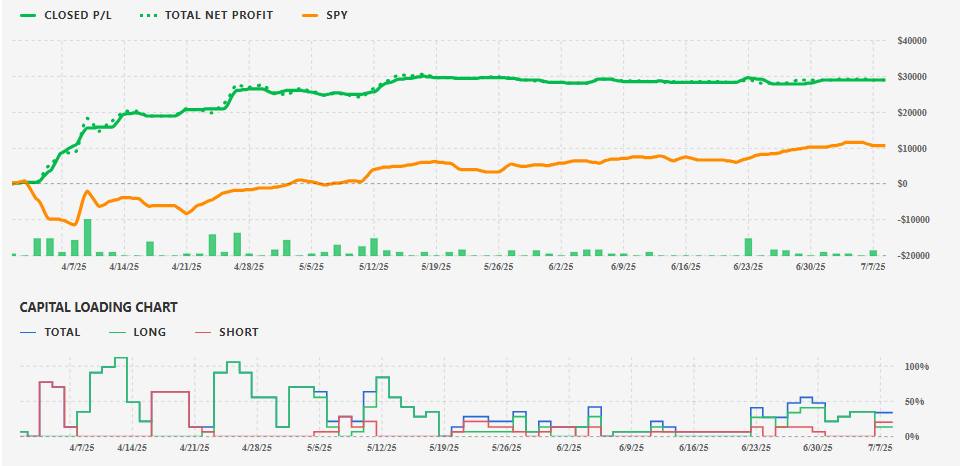
This AI day trader narrows its focus to five major technology stocks, offering more concentrated yet highly effective exposure. The reduced ticker universe allows for deeper pattern learning and optimized trade entries/exits. Tailored for those favoring a less diversified yet powerful portfolio, it remains an ideal tool for mid- to high-level traders.
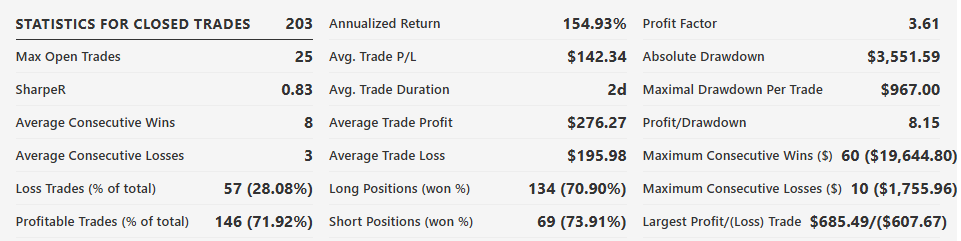
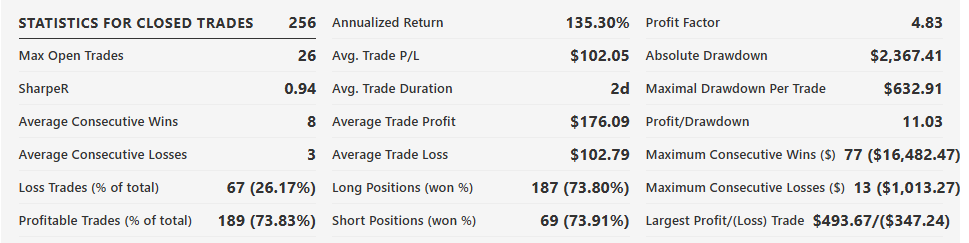
3. AI Swing Trader with Hedged ETF Exposure (15-Minute)
Tickers: AAPL, GOOG, NVDA, TSLA, MSFT, SOXL, SOXS, QID, QLD
Annualized Return: +139%
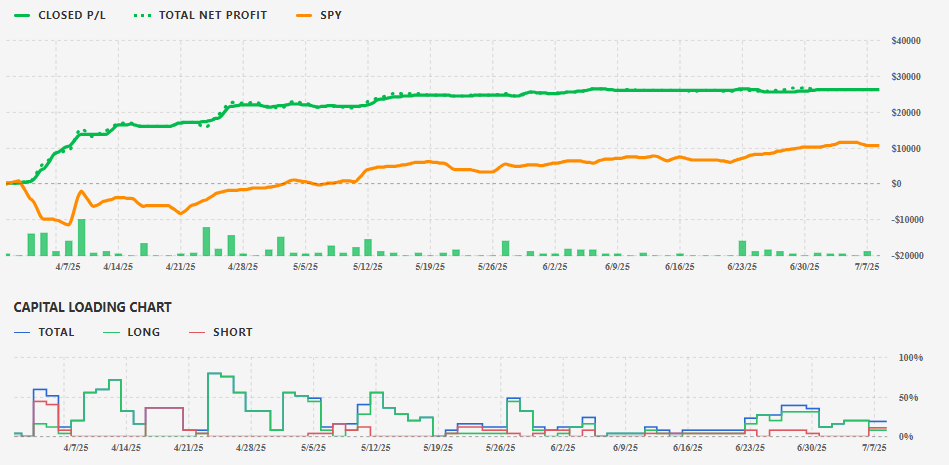
Utilizing a smart swing trading strategy with exits filtered on a daily timeframe, this agent stands out for its balanced approach. It blends the immediacy of intraday signals with long-term trend validation. The use of inverse ETFs ensures that market pullbacks become profit opportunities, providing traders with a powerful edge.
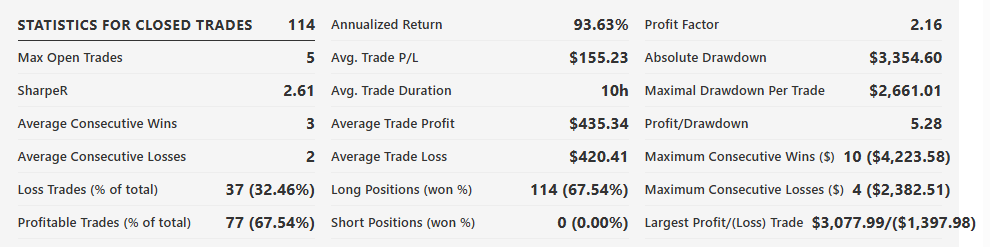
4. 60-Minute Hedged Trader: SOXS & QID Strategy
Tickers: SOXS, QID (Inverse ETFs)
Annualized Return: +92%
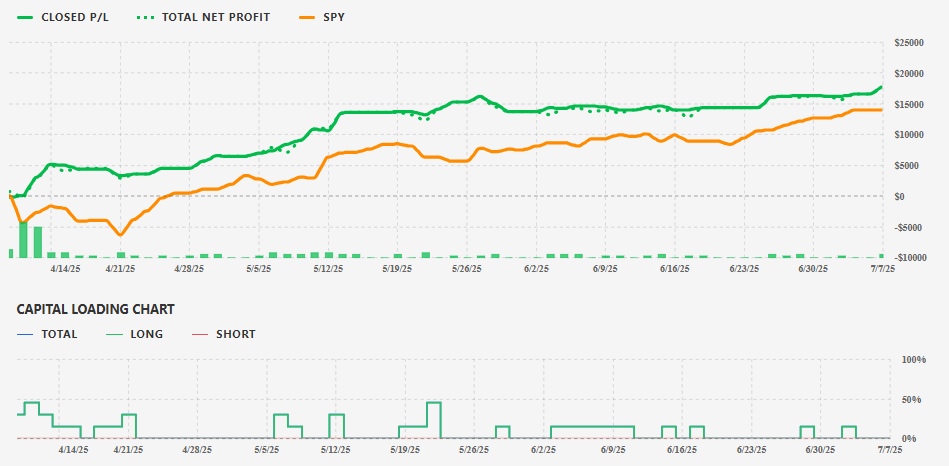
This agent specializes in hedged trading strategies on a 60-minute chart, making it well-suited for capturing broader market moves. It thrives during periods of medium volatility and leverages inverse ETFs to generate returns from market declines. Designed with stability in mind, it is favored by intermediate traders looking for lower drawdown exposure.
5. ETF-Focused Hedge Bot (60-Minute)
Tickers: SOXS, QID
Annualized Return: +90%
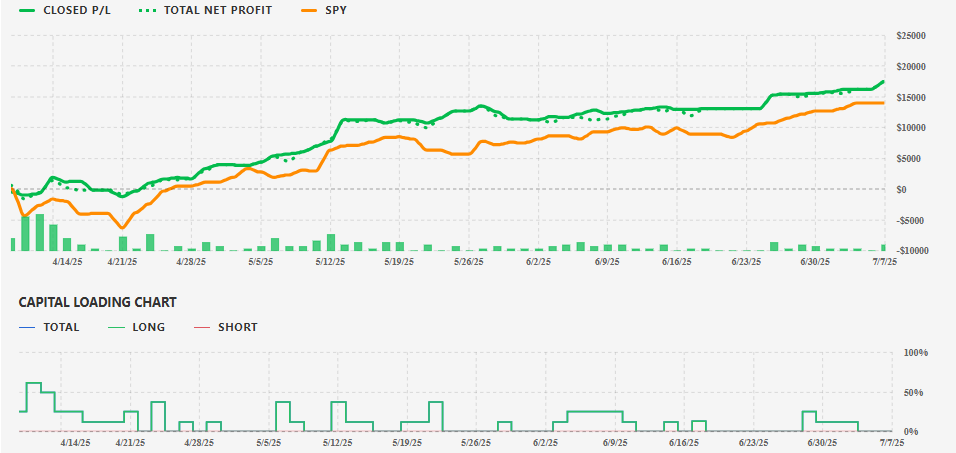
Offering a strategic mirror of Agent #4, this model focuses exclusively on short-term bearish trades with ETF hedging tactics. Utilizing FLMs for noise reduction and real-time reactivity, this trading agent is optimized for volatile market conditions and short-selling strategies.
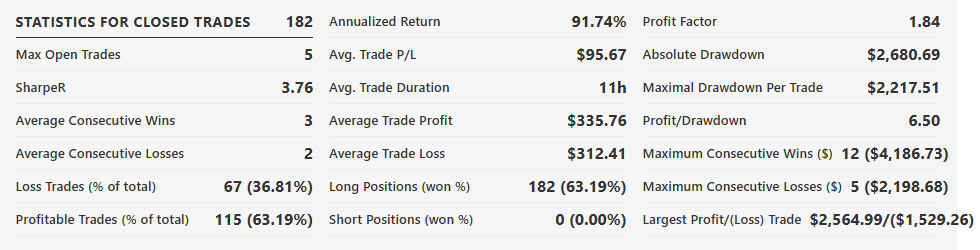
6. Long-Only Blue Chip Trader (15-Minute)
Tickers: AAPL, GOOG, NVDA, TSLA, MSFT
Annualized Return: +88%
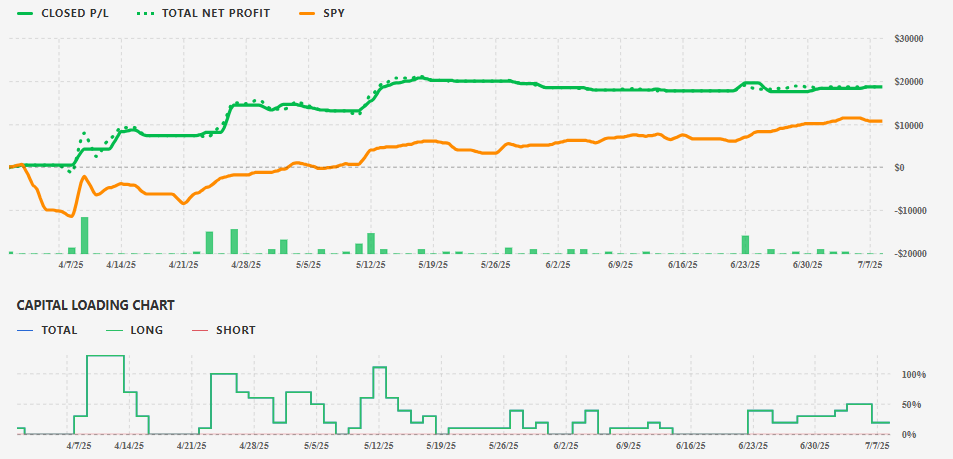
Ideal for risk-averse investors, this long-only AI bot limits its trading to buy-side activity on major technology stocks. It omits inverse ETFs to simplify execution and target upward momentum exclusively. Its annualized return of 88% shows that even without short-selling, AI can still yield outstanding results.
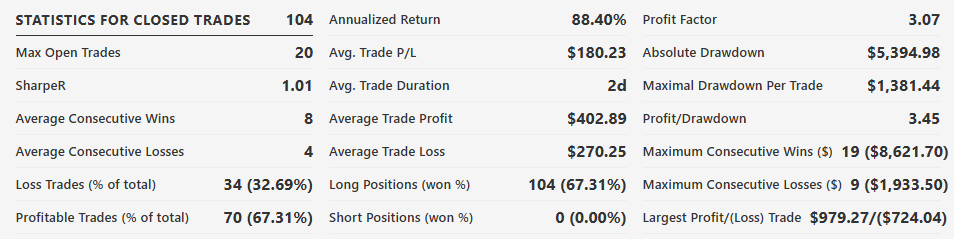
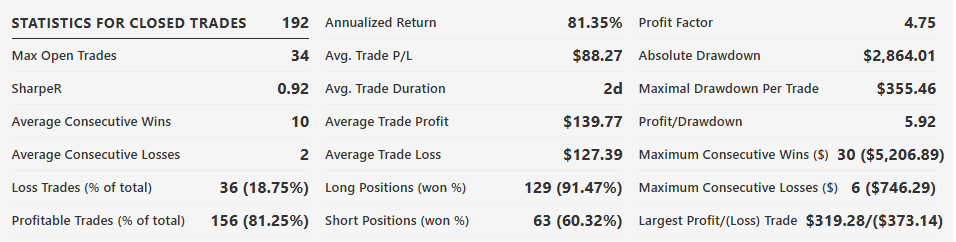
7. Consumer-Tech Momentum Agent (15-Minute)
Tickers: NFLX, KLAC, QCOM, PYPL, META
Annualized Return: +85%
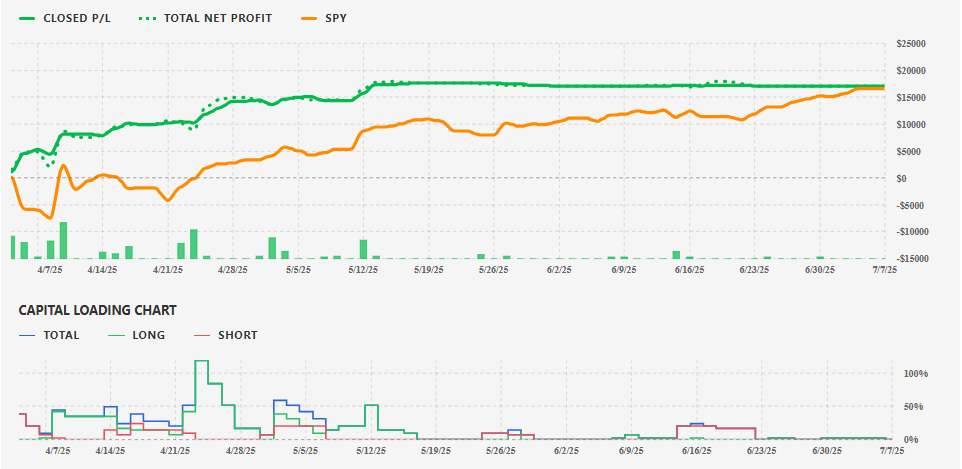
Targeting high-momentum stocks in the consumer and semiconductor sectors, this agent is tailored for advanced pattern recognition within short timeframes. It offers strong returns with moderately diversified exposure and a medium risk profile—suited for active traders familiar with sector rotation dynamics.
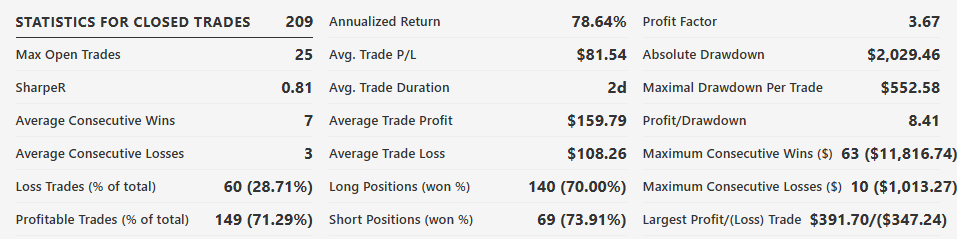
8. Moderate Return Tech Agent (15-Minute)
Tickers: AAPL, GOOG, NVDA, META, MSFT
Annualized Return: +79%
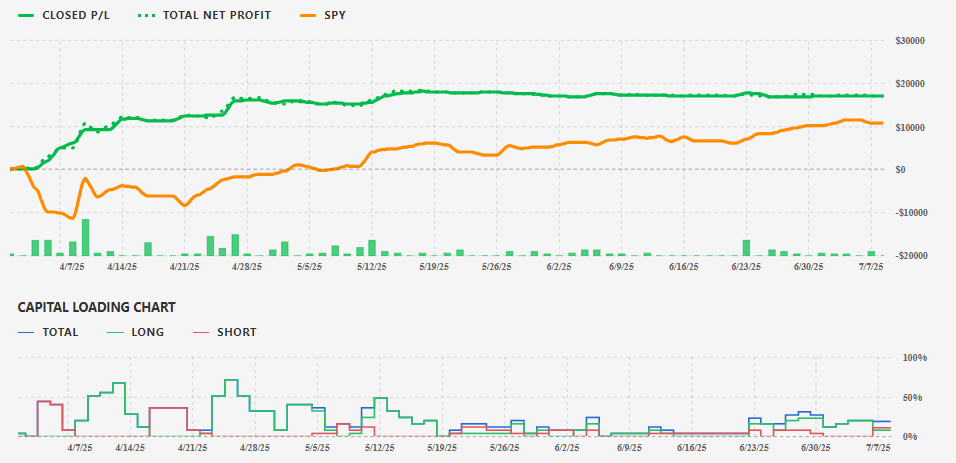
Similar in ticker structure to Agent #2 but with slightly more conservative signal filters, this AI trading agent offers nearly 85% annualized return. It's optimized for lower volatility scenarios and reduced risk exposure while retaining high-frequency pattern recognition.
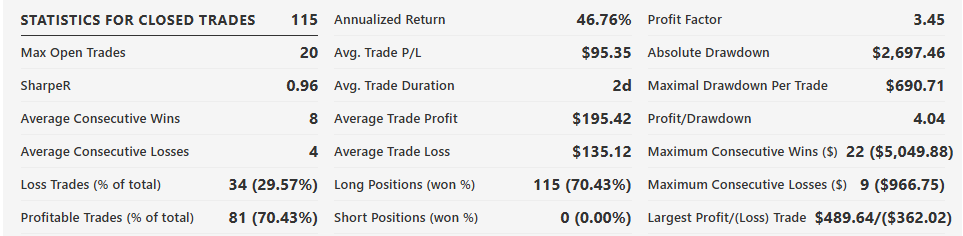
9. Multi-Agent Strategy (15-Minute)
Tickers: AAPL, GOOG, NVDA, TSLA, MSFT
Annualized Return: +48%
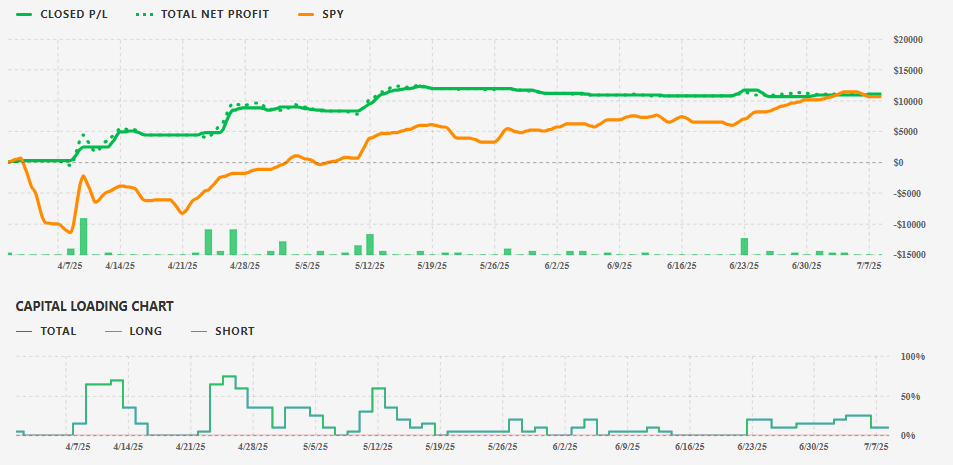
This AI bot integrates multiple trading agents working in unison—each with its own specialization (e.g., momentum, breakout, pullback). Although the return is more modest, the ensemble method provides robustness against model-specific blind spots and enhances long-term stability.
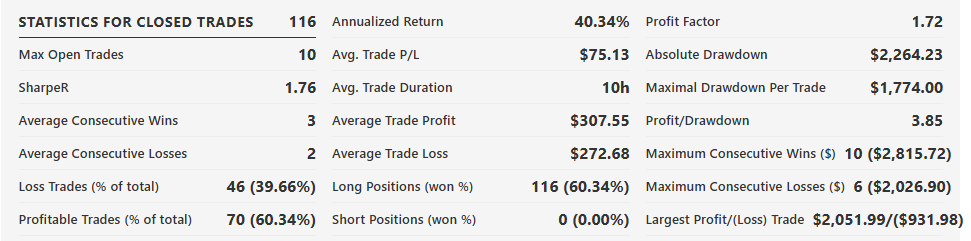
10. Volatility Edge AI Trader (60-Minute)
Annualized Return: +40%
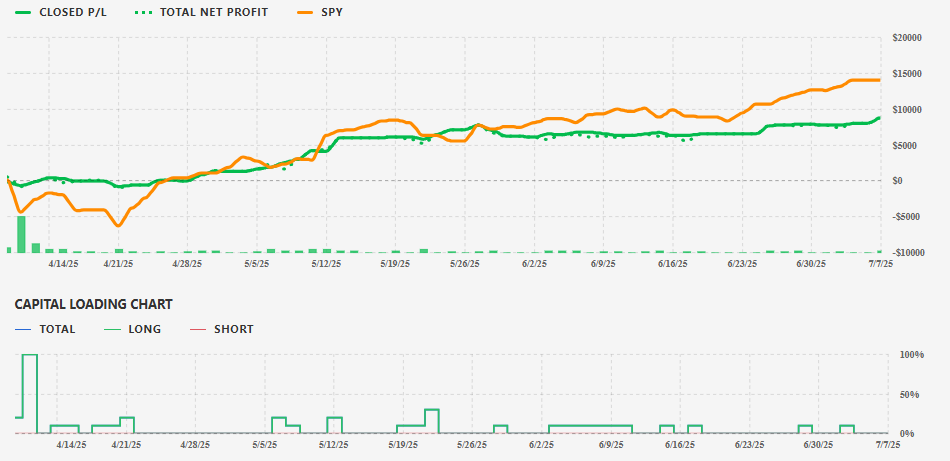
This agent excels during volatile sessions, using a longer 60-minute time frame to better interpret unpredictable movements. While its returns are lower, it provides an excellent supplement for traders looking to hedge long positions or diversify risk in chaotic markets.
Understanding Inverse ETFs in AI Trading
Inverse ETFs like QID and SOXS are critical to these AI models. Designed to produce returns opposite to major indices, they offer hedging during market downturns. These instruments, however, are inherently short-term tools due to daily rebalancing, making them perfect candidates for AI day trading systems.
Strategic Technology Behind the Agents
15-Minute Pattern Recognition
All leading bots utilize 15-minute time frames for signal generation, ensuring rapid reaction to intraday shifts.
FLM-Based Trend Filtering
Financial Learning Models act as advanced filters, reducing market noise and validating trend direction.
ML-Powered Optimization
Machine learning improves signal precision, optimizes entry/exit points, and adapts in real time to evolving market conditions.
Swing Trading with Daily Confirmation
Though operating intraday, trades are often exited based on daily signals to capture larger price moves and reduce whipsaws.
Risk and Position Management
Capped at 10 open trades simultaneously, these bots implement automated risk controls and diversified exposure to maintain consistent performance.
Tickeron and the Future of AI in Trading
Tickeron, led by CEO Sergey Savastiouk, remains a pioneer in AI-assisted trading. Its FLMs—unique in the financial world—blend technical pattern analysis with machine learning to offer both beginners and pros a powerful toolkit. Features like dual-agent perspectives (bullish and bearish), real-time alerts, and intuitive dashboards make Tickeron’s platform a leading choice for algorithmic trading.
Conclusion: Where AI Meets Profitability
The top 10-day trading agents of July 8, 2025, exemplify a new era in market speculation. With win rates surpassing 85% and annualized returns reaching over 270%, these AI bots show what’s possible when technology is married to financial strategy. Whether you're a novice looking for confidence or a seasoned trader seeking consistency, these AI agents provide a compelling edge in today’s complex market landscape.
Contributor
Serhii Bondarenko is an AI-focused trading strategist and financial markets analyst specializing in the development and application of AI trading bots and autonomous trading agents. His work combines technical analysis, fundamental analysis, and quantitative research to identify market patterns, forecast price movements, and analyze liquidity, volatility, and correlations across global stock markets. Serhii actively publishes market insights, forecasts, and trading frameworks on platforms such as Investing.com and Finextra, with a strong focus on AI-driven decision-making and next-generation algorithmic trading. His research aims to bridge the gap between traditional trading methodologies and advanced artificial intelligence, helping traders and investors navigate complex and rapidly evolving market conditions.

Advertisement