Key Takeaways
- BTF is an actively managed exchange-traded fund (ETF) that provides exposure to both bitcoin and ether through cash-settled futures contracts rather than holding the underlying cryptocurrencies directly.
- The fund allocates across bitcoin futures and ether futures, with ether futures exposure permitted up to roughly half of the portfolio, and places remaining assets in cash and short-term, high-quality collateral.
- The portfolio carries an expense ratio of 1.25%, and it operates as a non-diversified, actively managed structure rather than a passively indexed vehicle.
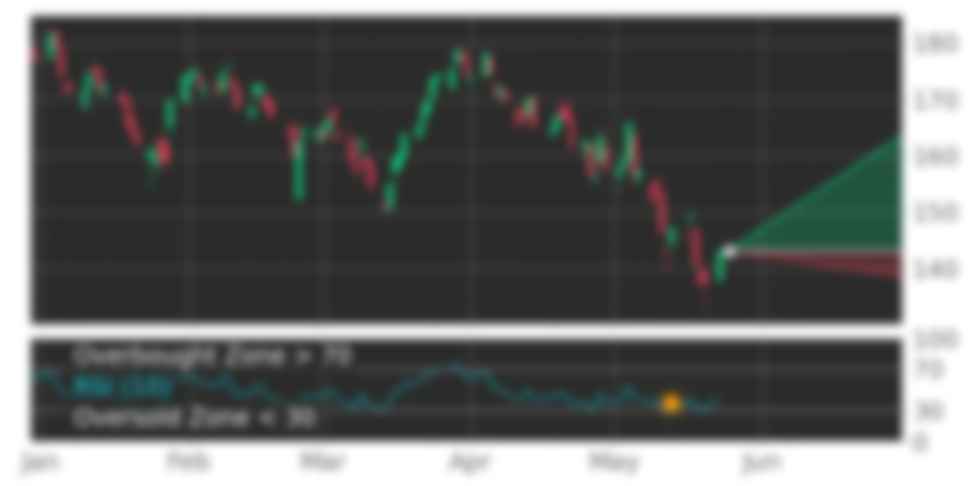
- Over the trailing quarter, BTF advanced roughly 25%, driven by strength in digital-asset markets, before consolidating modestly lower — down about 4% — over the most recent 30-day period.
- Key considerations include futures roll mechanics, elevated volatility, and the growing competitive landscape of spot bitcoin and ether ETFs.
- For additional context on this ticker, explore detailed Price Targets and a dedicated Forecast page.
- Discover AI-driven trading strategies by exploring Trending AI Robots.
CoinShares Bitcoin and Ether ETF (BTF) Overview
The CoinShares Bitcoin and Ether ETF (BTF) seeks to deliver exposure to the performance of bitcoin and ether through standardized, cash-settled futures contracts traded on the Chicago Mercantile Exchange (CME). The fund was originally launched in October 2021 and later converted to a dual bitcoin and ether futures strategy, giving investors a single wrapper for two of the largest digital assets by market value.
Because the fund invests in futures rather than spot assets, it does not custody bitcoin or ether directly. It rolls front-month futures contracts prior to expiration, a process that can generate returns or create drag depending on whether the futures curve is in contango or backwardation. Remaining portfolio assets are held in cash, U.S. Treasury securities, money market funds, and investment-grade short-term debt as collateral.
The fund carries an expense ratio of 1.25%, placing it on the higher end relative to low-cost spot bitcoin ETFs, and it is classified as non-diversified and actively managed. Its largest positions are its bitcoin futures and ether futures exposures, with no traditional equity holdings or sector diversification in the conventional sense.
Industry and Thematic Landscape
BTF operates at the intersection of two durable themes: the maturation of digital assets as an institutional asset class and the expansion of regulated, exchange-traded access to cryptocurrency markets. Bitcoin and ether remain the two most widely adopted cryptocurrencies, and both have attracted meaningful inflows across futures-based and spot products in recent years.
The macroeconomic backdrop remains relevant to how these assets trade. Interest-rate expectations, inflation trends, and broader liquidity conditions have historically influenced risk appetite across digital assets, which tend to exhibit higher beta than traditional equities. Regulatory clarity has also evolved, with the approval of spot bitcoin and ether ETFs reshaping how institutional and retail investors allocate to the asset class.
For a futures-based product such as BTF, competition is a defining structural factor. Spot ETFs that hold the underlying assets directly have gained substantial market share, in part because they generally track spot prices more closely and often carry lower fees. Futures-based funds must additionally contend with roll costs and the potential for performance divergence from spot prices.
Performance and Positioning Snapshot
BTF's recent performance reflects the broader tone in digital-asset markets. Over the trailing three months, the fund advanced approximately 25%, climbing from the low-to-mid $17 range into the low $22 range. That move was followed by a period of consolidation, with the fund pulling back roughly 4% over the most recent 30 days after reaching the low $24 area in late September.
This pattern is consistent with a strong trend that matured into a range-bound phase, a profile common among volatile, futures-linked products. The fund's quarterly gain underscores robust underlying demand for bitcoin and ether exposure, while the recent dip highlights the two-way volatility investors should expect from an instrument whose value is tied to cryptocurrency futures.
Because BTF holds futures rather than spot assets, its returns can diverge from the spot prices of bitcoin and ether over short horizons. The cost of rolling contracts, the shape of the futures curve, and the fund's management decisions all contribute to that divergence. Investor positioning in spot and derivatives markets, along with institutional flows into competing products, can likewise influence both the fund's market price and its net asset value (NAV).
AI Screener
Tickeron's AI Screener is an AI-powered stock and ETF discovery platform that helps investors scan thousands of securities using technical indicators, fundamentals, volatility measures, AI-generated signals, market trends, price patterns, and customizable filters. It is designed to help users surface trending securities, breakout candidates, and new trading opportunities more efficiently than manual screening, while also filtering by industry and performance characteristics. For investors monitoring the digital-asset and broader fund landscape, the screener offers a structured way to compare opportunities across sectors and identify emerging signals before they become widely recognized.
2026 Outlook and Key Factors to Monitor
Several structural factors are likely to shape BTF's trajectory through 2026. Interest-rate policy and inflation data remain central, given the sensitivity of digital assets to liquidity conditions. A more accommodative monetary backdrop has historically supported risk appetite, while tighter conditions tend to weigh on higher-beta assets.
Regulatory and legislative developments will also matter, particularly any further clarity around digital-asset custody, trading, and taxation. Progress on these fronts could broaden institutional adoption and support sustained flows into both spot and futures-based products.
Competition from spot bitcoin and ether ETFs is a persistent structural consideration, as lower-fee products that hold underlying assets directly continue to attract capital. The fund's ability to retain assets will depend in part on investor preferences for futures-based exposure and the performance implications of roll costs.
Finally, volatility itself remains a defining feature of this asset class. Sharp drawdowns and rapid rallies are common, and investors should weigh the fund's 1.25% expense ratio and futures mechanics against their objectives. None of these observations constitutes a forecast; they are the primary themes likely to influence how this fund trades in the months ahead.
The information on this webpage is provided for general informational and educational purposes only and is not intended as investment advice, a recommendation to purchase or sell any security, or an offer or solicitation related to investments. It does not consider your personal financial situation, goals, or risk profile, and all investing carries inherent risks, including the possibility of losing your entire investment. For more details, please review our full disclaimer.
Disclaimers and Limitations
 GET DAILY SIGNALS