MENU
Go to the list of all blogs
Sergey Savastiouk's Avatar
published in Blogs
Mar 18, 2026
PPI Shock: 0.7% Print, Hot Inflation – Which Stocks Win and Lose Now?

PPI Shock: 0.7% Print, Hot Inflation – Which Stocks Win and Lose Now?

Key Takeaways

  • A jump in the Producer Price Index from 0.3% to around 0.7% month‑over‑month signals that wholesale inflation is re‑accelerating, delaying Fed rate‑cut hopes and reviving the “higher for longer” rates narrative.business.
  • Likely winners in this environment include energy and commodity producers (XOM, CVX, TTE, COP), inflation‑resilient financials (JPM, BAC), and real‑asset plays like pipelines and infrastructure, which can pass through higher prices; ETFs like XLE, XOP, XLF, DBA, GLD offer diversified exposure.
  • Likely losers are long‑duration growth and rate‑sensitive sectors—unprofitable tech, speculative biotech, high‑multiple software (ARKK‑type names), and some REITs and utilities that can’t easily reprice cash flows; ETFs like QQQ, ARKK, IBB, XLRE tend to struggle when real yields rise.
  • Tickeron’s AI trading bots have been built for exactly this kind of macro shock, rotating into energy, materials, and value when inflation surprises to the upside, while cutting exposure to frothy growth; live and backtested strategies in energy and metals have posted annualized returns up to 89–145% by exploiting these regime shifts.

What today’s hot PPI print means

A surprise rise in PPI from 0.3 to around 0.7 on the month tells you one thing: input costs are rising faster than Wall Street expected. That’s bad news for companies that can’t pass those costs on, and bad news for investors banking on imminent rate cuts. Futures markets are already pushing back the timing of any easing; odds now favor the Fed staying hawkish‑neutral for longer, with some desks even whispering about the risk of another hike if data stays hot.

In trading terms, that usually means higher real yields, a stronger dollar, and pressure on long‑duration assets—especially profit‑light tech and speculative growth. At the same time, assets that benefit from inflation or can reprice quickly—energy, commodities, financials, and certain industrials—often see renewed interest.

Likely winners: inflation beneficiaries and real assets

1. Energy producers and pipelines

When wholesale prices move up and the market worries about sticky inflation, investors often reach for energy as both an inflation hedge and a cash‑flow story. Companies with low production costs and strong balance sheets can convert higher commodity prices into dividends and buybacks.

  • Energy majors:
    • Exxon Mobil (XOM) and Chevron (CVX) – integrated giants with low lifting costs, disciplined capex, and aggressive capital‑return programs; they’ve historically been effective hedges when inflation surprises to the upside.
    • TotalEnergies (TTE) and ConocoPhillips (COP) – global upstream exposure, strong free cash flow, and leverage to oil and gas prices.
  • Pipelines and midstream:
    • Enterprise Products Partners (EPD), Energy Transfer (ET), Enbridge (ENB) – fee‑based cash flows often indexed to inflation, plus attractive yields.
  • ETFs:
    • Energy Select Sector SPDR (XLE) – big U.S. integrated and upstream names, a core inflation‑hedge sleeve.ebc+1
    • SPDR S&P Oil & Gas Exploration & Production (XOP) – higher‑beta E&Ps that can outperform if crude runs.

2. Commodities and commodity‑linked funds

The classic playbook in a PPI upside surprise is to add some commodity exposure.

  • Gold and precious metals:
    • SPDR Gold Shares (GLD) and iShares Gold Trust (IAU) – gold often benefits if real rates don’t spike too aggressively and inflation fears rise.
    • Miners like Newmont (NEM) and Barrick (GOLD) add operational leverage.
  • Broad commodities and agriculture:
    • Invesco DB Commodity Index Tracking Fund (DBC) and Invesco DB Agriculture Fund (DBA) give diversified exposure to energy, metals, and ags.

3. Financials and value

Banks and insurers can benefit from a steeper yield curve and higher nominal rates, as long as credit quality holds.

  • Banks: JPMorgan (JPM), Bank of America (BAC), Wells Fargo (WFC) – rising short‑ and long‑term rates can expand net interest margins.
  • Insurers: MetLife (MET), Prudential (PRU) – higher yields on their investment portfolios support earnings.
  • ETFs: Financial Select Sector SPDR (XLF) for large U.S. financials and Vanguard Value ETF (VTV) for a broad value tilt.

These groups tend to outperform growth when inflation runs hot and the discount rate rises.

Likely losers: long‑duration growth and rate‑sensitive defensives

1. High‑multiple tech and unprofitable growth

When the market re‑prices the Fed path to “higher for longer,” the present value of distant cash flows gets hit first. That’s bad for:

  • Unprofitable or low‑profit tech and SaaS names trading on revenue multiples.
  • Speculative growth and innovation baskets like ARK Innovation ETF (ARKK).
  • Parts of the Nasdaq‑100 (QQQ) dominated by high‑duration names.

These stocks can sell off sharply on days when PPI or CPI comes in hot, as we’ve already seen in recent inflation surprises.

2. Biotech and other long‑duration sectors

Biotech, especially early‑stage with little or no revenue, behaves like a long‑dated call option on future cash flows:

  • iShares Biotechnology ETF (IBB) and SPDR S&P Biotech ETF (XBI) often struggle in rising‑rate, inflation‑surprise regimes.

3. Rate‑sensitive REITs and “bond‑proxy” utilities

REITs and some utilities trade like equity bonds: higher yields pressure their valuations unless they can aggressively grow cash flow.

  • Real estate: Vanguard Real Estate ETF (VNQ), Real Estate Select Sector SPDR (XLRE) – can lag when real yields jump.
  • Utilities: The sector is more nuanced: regulated utilities with limited ability to reprice quickly may suffer, while those positioned as AI‑infrastructure plays can still do well. As a group, XLU often lags on the first shock and then recovers selectively.

How Tickeron’s AI trading bots react to an inflation surprise

A PPI surge like today’s is exactly the kind of macro event where AI‑driven, rules‑based trading can outperform emotional decision‑making. Tickeron reports that its AI Trading Agents use Financial Learning Models (FLMs) trained on thousands of historical patterns across macro data, prices, and volatility.

Key features relevant to a hot‑PPI day:

  • Multi‑time‑frame scanning: Bots operate on 5‑, 15‑, and 60‑minute bars, watching how sectors react in real time as PPI hits the tape—rotating into energy, commodities, and financials when momentum and relative strength spike.tickeron+1
  • Sector and factor rotation: Agents are designed to overweight inflation‑beneficiary baskets—like XLE, XOP, DBC, GLD, XLF—while cutting or shorting exposure to vulnerable areas like ARKK, QQQ, IBB, XLRE when their price action confirms weakness.
  • Risk management: Position sizing and stop‑loss rules adapt to volatility; bots may reduce gross exposure when correlations go to 1 after a surprise print, then redeploy systematically as new trends emerge.
  • Documented performance: Tickeron cites strategies in energy and metals that have posted annualized returns up to 89–145% in backtests and live trading by exploiting exactly these inflation‑driven rotations, with profit factors above 5 in some models.

For a retail trader, that means you don’t need to predict the entire macro path yourself. You can:

  • Use long‑term holdings in inflation‑beneficiary sectors (XLE, XOP, GLD, DBC, XLF, value ETFs) to align with a “sticky inflation” regime.
  • Let Tickeron’s bots handle shorter‑term timing—when to press into winners after a PPI shock, when to take profits, and when to fade violent overreactions in beaten‑down growth.

If you share your risk level (conservative, moderate, aggressive), I can outline a simple 3‑bucket allocation—core ETFs, tactical sector tilts, and bot‑driven trades—tailored to a world where PPI keeps surprising to the upside.

Tickeron AI Perspective

 Disclaimers and Limitations

Related Ticker: SPY, XLE, XOP, XLF, DBA, GLD

SPY in upward trend: price may jump up because it broke its lower Bollinger Band on June 10, 2026

SPY may jump back above the lower band and head toward the middle band. Traders may consider buying the stock or exploring call options. In of 37 cases where SPY's price broke its lower Bollinger Band, its price rose further in the following month. The odds of a continued upward trend are .

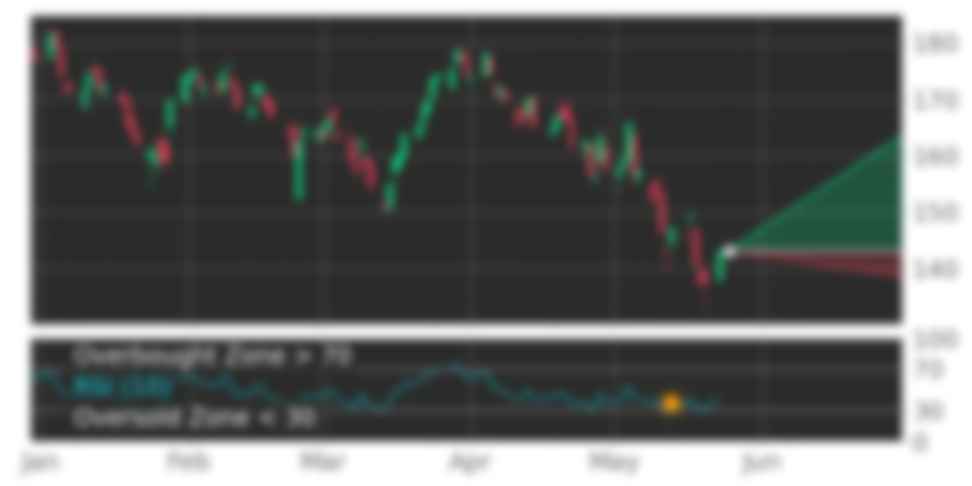
Price Prediction Chart

Technical Analysis (Indicators)

Bullish Trend Analysis

Following a 3-day Advance, the price is estimated to grow further. Considering data from situations where SPY advanced for three days, in of 368 cases, the price rose further within the following month. The odds of a continued upward trend are .

The Aroon Indicator entered an Uptrend today. In of 431 cases where SPY Aroon's Indicator entered an Uptrend, the price rose further within the following month. The odds of a continued Uptrend are .

Bearish Trend Analysis

The 10-day RSI Indicator for SPY moved out of overbought territory on June 03, 2026. This could be a bearish sign for the stock. Traders may want to consider selling the stock or buying put options. Tickeron's A.I.dvisor looked at 46 similar instances where the indicator moved out of overbought territory. In of the 46 cases, the stock moved lower in the following days. This puts the odds of a move lower at .

The Stochastic Oscillator may be shifting from an upward trend to a downward trend. In of 69 cases where SPY's Stochastic Oscillator exited the overbought zone, the price fell further within the following month. The odds of a continued downward trend are .

The Momentum Indicator moved below the 0 level on June 23, 2026. You may want to consider selling the stock, shorting the stock, or exploring put options on SPY as a result. In of 73 cases where the Momentum Indicator fell below 0, the stock fell further within the subsequent month. The odds of a continued downward trend are .

The Moving Average Convergence Divergence Histogram (MACD) for SPY turned negative on May 18, 2026. This could be a sign that the stock is set to turn lower in the coming weeks. Traders may want to sell the stock or buy put options. Tickeron's A.I.dvisor looked at 53 similar instances when the indicator turned negative. In of the 53 cases the stock turned lower in the days that followed. This puts the odds of success at .

Following a 3-day decline, the stock is projected to fall further. Considering past instances where SPY declined for three days, the price rose further in of 62 cases within the following month. The odds of a continued downward trend are .

Notable companies

The most notable companies in this group are NVIDIA Corp (NASDAQ:NVDA), Apple (NASDAQ:AAPL), Alphabet (NASDAQ:GOOG), Alphabet (NASDAQ:GOOGL), Microsoft Corp (NASDAQ:MSFT), Amazon.com (NASDAQ:AMZN), Broadcom Inc. (NASDAQ:AVGO), Tesla (NASDAQ:TSLA), Meta Platforms (NASDAQ:META), Micron Technology (NASDAQ:MU).

Industry description

The investment seeks to provide investment results that, before expenses, correspond generally to the price and yield performance of the S&P 500® Index. The trust seeks to achieve its investment objective by holding a portfolio of the common stocks that are included in the index (the “Portfolio”), with the weight of each stock in the Portfolio substantially corresponding to the weight of such stock in the index.

Market Cap

The average market capitalization across the State Street® SPDR® S&P 500® ETF ETF is 154.05B. The market cap for tickers in the group ranges from 4.02B to 4.85T. NVDA holds the highest valuation in this group at 4.85T. The lowest valued company is EPAM at 4.02B.

High and low price notable news

The average weekly price growth across all stocks in the State Street® SPDR® S&P 500® ETF ETF was -2%. For the same ETF, the average monthly price growth was -1%, and the average quarterly price growth was 7%. SMCI experienced the highest price growth at 14%, while ACN experienced the biggest fall at -23%.

Volume

The average weekly volume growth across all stocks in the State Street® SPDR® S&P 500® ETF ETF was 15%. For the same stocks of the ETF, the average monthly volume growth was 31% and the average quarterly volume growth was 227%

Fundamental Analysis Ratings

The average fundamental analysis ratings, where 1 is best and 100 is worst, are as follows

Valuation Rating: 51
P/E Growth Rating: 51
Price Growth Rating: 44
SMR Rating: 50
Profit Risk Rating: 60
Seasonality Score: 22 (-100 ... +100)
View a ticker or compare two or three
DBA
Daily Signal:
Gain/Loss:
Interact to see
Advertisement
A.I.Advisor
published price charts
Last 5 trading days
A.I. Advisor
published General Information

General Information

Category CommoditiesBroadBasket

Profile
Details
Category
Commodities Focused
Address
60 Wall StreetNew York
Phone
(800) 983-0903
Web
http://www.deutsche-bank.com/ir