SSB Stock SouthState (SSB, $101.29) Moving Average Convergence Divergence (MACD) Histogram turned positive on October 15, 2026
 GET DAILY SIGNALS
at Tickeron.com


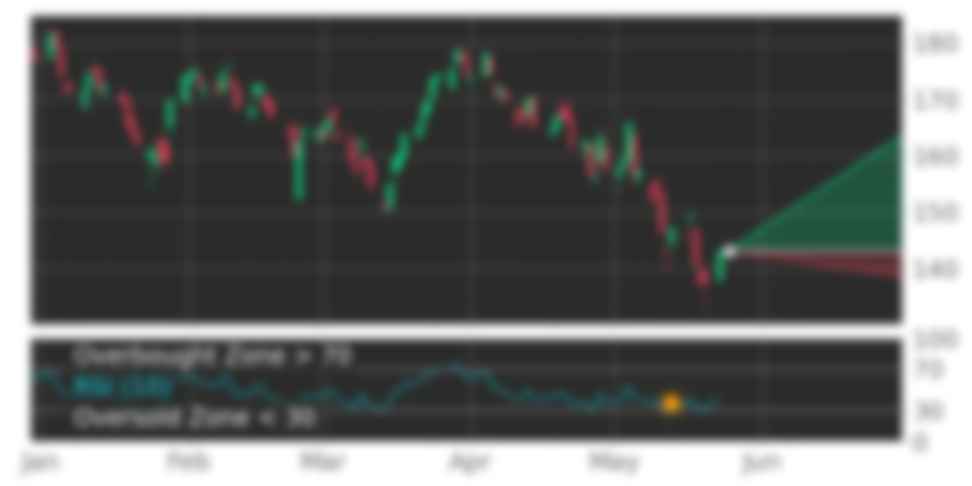
This is a Bullish indicator signaling SSB's price could rise from here. Traders may explore going long the stock or buying call options. A.I. dvisor identified 53 similar cases where SSB's MACD histogram became positive, and of them led to successful outcomes. Odds of Success:
SSB's RSI Oscillator ascends from oversold territory
The RSI Oscillator for SSB moved out of oversold territory on October 08, 2026. This could be a sign that the stock is shifting from a downward trend to an upward trend. Traders may want to buy the stock or call options. The A.I.dvisor looked at 19 similar instances when the indicator left oversold territory. In 16 of the 19 cases the stock moved higher. This puts the odds of a move higher at 84%.

Technical Analysis (Indicators)
Bullish Trend Analysis
The Stochastic Oscillator suggests the stock price trend may be in a reversal from a downward trend to an upward trend. 48 of 64 cases where SSB's Stochastic Oscillator exited the oversold zone resulted in an increase in price. Tickeron's analysis proposes that the odds of a continued upward trend are 75%.
The Momentum Indicator moved above the 0 level on October 15, 2026. You may want to consider a long position or call options on SSB as a result. In 51 of 83 past instances where the momentum indicator moved above 0, the stock continued to climb. The odds of a continued upward trend are 61%.
The Moving Average Convergence Divergence (MACD) for SSB just turned positive on October 15, 2026. Looking at past instances where SSB's MACD turned positive, the stock continued to rise in 41 of 53 cases over the following month. The odds of a continued upward trend are 77%.
Following a +2.91% 3-day Advance, the price is estimated to grow further. Considering data from situations where SSB advanced for three days, in 167 of 283 cases, the price rose further within the following month. The odds of a continued upward trend are 59%.
Bearish Trend Analysis
SSB moved below its 50-day moving average on September 16, 2026 date and that indicates a change from an upward trend to a downward trend.
The 10-day moving average for SSB crossed bearishly below the 50-day moving average on September 18, 2026. This indicates that the trend has shifted lower and could be considered a sell signal. In 9 of 18 past instances when the 10-day crossed below the 50-day, the stock continued to move higher over the following month. The odds of a continued downward trend are 50%.
Following a 3-day decline, the stock is projected to fall further. Considering past instances where SSB declined for three days, the price rose further in 50 of 62 cases within the following month. The odds of a continued downward trend are 61%.
The Aroon Indicator for SSB entered a downward trend on October 12, 2026. This could indicate a strong downward move is ahead for the stock. Traders may want to consider selling the stock or buying put options.
Fundamental Analysis (Ratings)
The Tickeron SMR rating for this company is 9 (best 1 - 100 worst), indicating very strong sales and a profitable business model. SMR (Sales, Margin, Return on Equity) rating is based on comparative analysis of weighted Sales, Income Margin and Return on Equity values compared against S&P 500 index constituents. The weighted SMR value is a proprietary formula developed by Tickeron and represents an overall profitability measure for a stock.
The Tickeron Profit vs. Risk Rating rating for this company is 30 (best 1 - 100 worst), indicating low risk on high returns. The average Profit vs. Risk Rating rating for the industry is 56, placing this stock better than average.
The Tickeron Valuation Rating of 49 (best 1 - 100 worst) indicates that the company is fair valued in the industry. This rating compares market capitalization estimated by our proprietary formula with the current market capitalization. This rating is based on the following metrics, as compared to industry averages: P/B Ratio (1.084) is normal, around the industry mean (1.237). P/E Ratio (10.676) is within average values for comparable stocks, (13.122). Projected Growth (PEG Ratio) (0.050) is also within normal values, averaging (1.190). Dividend Yield (0.026) settles around the average of (0.036) among similar stocks. P/S Ratio (3.899) is also within normal values, averaging (3.738).
The Tickeron Price Growth Rating for this company is 49 (best 1 - 100 worst), indicating steady price growth. SSB’s price grows at a higher rate over the last 12 months as compared to S&P 500 index constituents.
The Tickeron PE Growth Rating for this company is 67 (best 1 - 100 worst), pointing to worse than average earnings growth. The PE Growth rating is based on a comparative analysis of stock PE ratio increase over the last 12 months compared against S&P 500 index constituents.