NFEB Stock Innovator Growth-100 Power Buffer ETF - February (NFEB) (NFEB, $30.97) Aroon Indicator entered an Uptrend on October 16, 2026.
 GET DAILY SIGNALS
at Tickeron.com


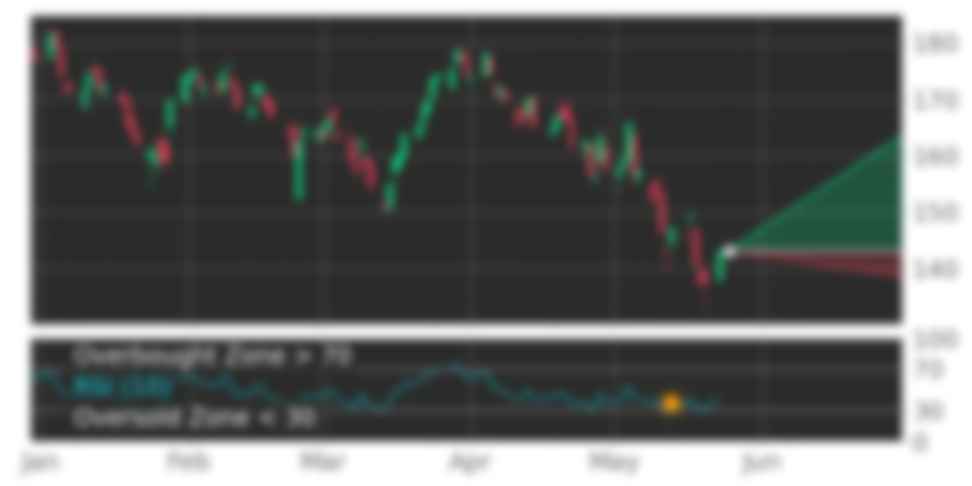
Over the last three days, A.I.dvisor has detected that NFEB's AroonUp green line (see chart) is above 70, while the AroonDown red line is below 30. When the green line goes above 70 while the red line stays below 30, this is an indicator that the stock could be poised for a strong Uptrend. For traders, this could mean going long the stock or exploring call options in the next month. A.I.dvisor backtested this indicator and found 120 similar cases, of which were successful. Based on this data, the odds of success are
NFEB in upward trend: price expected to rise as it breaks its lower Bollinger Band on October 22, 2026
NFEB may jump back above the lower band and head toward the middle band. Traders may consider buying the stock or exploring call options. In 11 of 12 cases where NFEB's price broke its lower Bollinger Band, its price rose further in the following month. The odds of a continued upward trend are 90%.

Technical Analysis (Indicators)
Bullish Trend Analysis
The Stochastic Oscillator is in the oversold zone. Keep an eye out for a move up in the foreseeable future.
Following a +0.23% 3-day Advance, the price is estimated to grow further. Considering data from situations where NFEB advanced for three days, in 92 of 117 cases, the price rose further within the following month. The odds of a continued upward trend are 79%.
The Aroon Indicator entered an Uptrend today. In 104 of 120 cases where NFEB Aroon's Indicator entered an Uptrend, the price rose further within the following month. The odds of a continued Uptrend are 87%.
Bearish Trend Analysis
The 10-day RSI Indicator for NFEB moved out of overbought territory on October 08, 2026. This could be a bearish sign for the stock. Traders may want to consider selling the stock or buying put options. Tickeron's A.I.dvisor looked at 19 similar instances where the indicator moved out of overbought territory. In 12 of the 19 cases, the stock moved lower in the following days. This puts the odds of a move lower at 63%.
The Momentum Indicator moved below the 0 level on October 16, 2026. You may want to consider selling the stock, shorting the stock, or exploring put options on NFEB as a result. In 19 of 28 cases where the Momentum Indicator fell below 0, the stock fell further within the subsequent month. The odds of a continued downward trend are 68%.
The Moving Average Convergence Divergence Histogram (MACD) for NFEB turned negative on October 13, 2026. This could be a sign that the stock is set to turn lower in the coming weeks. Traders may want to sell the stock or buy put options. Tickeron's A.I.dvisor looked at 20 similar instances when the indicator turned negative. In 15 of the 20 cases the stock turned lower in the days that followed. This puts the odds of success at 75%.
NFEB moved below its 50-day moving average on October 22, 2026 date and that indicates a change from an upward trend to a downward trend.
Following a 3-day decline, the stock is projected to fall further. Considering past instances where NFEB declined for three days, the price rose further in 50 of 62 cases within the following month. The odds of a continued downward trend are 66%.